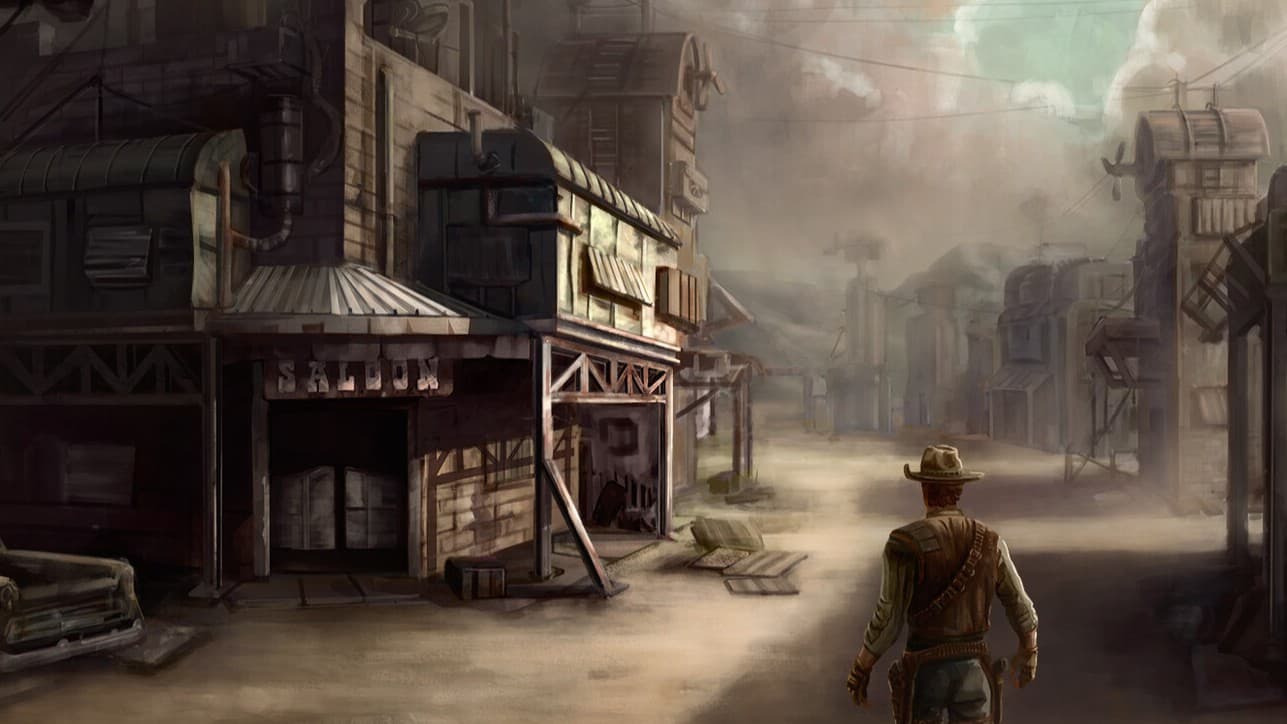
Blood of the Augurs
An augur is dead, and the man who benefits most from her death is already moving into her seat. In a city where prophecy is power, someone has to ask
$10.00
/ Session
Details
1 player following this game
Weekly / Wednesday - 7:00 PM UTC
Session Duration / 2 hours
Campaign Length / 5–8 Sessions
1 / 5 Seats Filled
Report Adventure

StartPlaying Money Back Guarantee
If your game doesn't happen, we guarantee a refund. Just reach out to StartPlaying Support. Refund Policy
Meet your party members
1/5

About the adventure
Blood of the Augurs is a noir investigation campaign run using Dungeon Crawl Classics — a system that is brutal, weird, and built for the kind of story where no one gets out clean. The Manteion has stood for generations, its augurs reading the future in entrails and flame. Now its most prominent seer is dead, ruled a suicide by the man who stands to inherit everything she left behind. You don't believe it. Neither does anyone who knew her.This is a game about digging into places that don't want to be dug into. You'll chase leads through corrupt institutions, talk to people with reasons to lie, and slowly assemble a picture of something uglier than a single murder. The world is morally grey by design — the victim wasn't a saint, the suspect isn't simply a villain, and the truth, when you find it, may not be usable. Investigation is the engine here, but DCC's signature danger is always underneath: the system is deadly, the dice are honest, and the world does not bend for heroes.Dungeon Crawl Classics is not D&D, and that's the point. Magic is volatile and strange. Classes feel genuinely different from each other. Death is close and permanent. If you've only played 5e, this game will feel like a colder wind from an older tradition — and I'll teach you everything you need to know from scratch. Prior DCC experience is welcome but not required. What is required is an appetite for mystery, a willingness to lose characters you love, and the patience to read a room before you flip the table.I run Fiction First, and investigation at this table means real consequences for how you gather information — who you trust, who you burn, and who finds out you've been asking questions.
Game style
Puzzle / Mystery Focused
Roleplay Heavy
Sandbox / Open World
Game themes
Meet the Game Master

Less than a year on StartPlaying
Highly rated for: Storytelling, Inclusive, Beginner Friendly
About me
My journey into tabletop started where many do,sitting across from a dungeon, a set of polyhedral dice, and Dungeons & Dragons. What began as a player's curiosity gradually became a GM's obsession: not just with running games, but with understanding what makes them work at the deepest level. I didn't, at first, care about roleplaying, but I found myself soon enthralled after listening to podcasts like The Adventure Zone, and later Critical Role and just fell in love with the game, running it for my friends for five years before the pandemic hit. That obsession reached its peak during the pandemic. With the world paused and the gaming table moved online, I did what any reasonable person does with too much time and too many ideas, I built my own TTRPG from scratch. BEYOND wasn't built in a vacuum, it was shaped by everything I'd played, studied, and loved about the hobby. The M.A.D. System came out of a simple conviction: that every great TTRPG moment you've ever had traces back to one of those three elements: Mystery, Adventure, and Dread. Building mechanics around that belief changed how I think about GMing entirely.
View Profile →Character creation
Creating your character
We will start with a 0-level funnel — each player runs three or four ordinary peasants with no class, no training, and very little chance of surviving what comes next. This is the DCC tradition, and it serves the story: the people who get pulled into the Manteion's shadow aren't heroes yet. They're butchers, scribes, and debt collectors who stumbled into something too big to walk away from. Character generation is done using the free DCC core rules PDF (I'll send you the link after booking) or the Purple Sorcerer funnel generator at purplesorcerer.com — no purchase required. 0-level characters take about five minutes to make. The survivors of the funnel advance to 1st level, and that's where class selection happens organically, shaped by who lived and how. Come to Session 0 knowing nothing except this: your characters live in a city built around prophecy, and someone just told them the future isn't safe anymore.
This is a table of six, and an investigation campaign at that size has a particular texture — there will be debates, conflicting reads on the same evidence, and moments where the party splits because no one agrees on who to trust. That friction is a feature. DCC's class spread is wide enough that six survivors of the funnel will arrive at 1st level looking nothing alike, and an investigation needs people who ask different kinds of questions. No class restrictions. Bring whoever made it out.
What to expect
Preparing for the session
Before Session 1, you'll need: A free account on Purple Sorcerer (purplesorcerer.com) to generate your funnel characters — I'll walk you through it if needed A video call setup with working audio; camera is encouraged but not required A read of the content advisory I'll send via StartPlaying before we begin — this campaign deals with institutional corruption, death, and moral ambiguity, and I want the table calibrated before we sit down No VTT, no extra software. We play Theatre of the Mind over video call. Roll your dice however you like — physical, digital, honor system. If you've never played DCC before, don't stress. I'll handle the rules. Your only job is to show up curious.
What Maxwell Durbin-Tan brings to the table
Every session comes with ambient sound built to the scene — the Manteion at night sounds nothing like a back-alley interrogation. I play distinct voices for NPCs and give every faction its own register, because in an investigation game, you need to be able to tell who you're talking to and whether they're lying. Expect: dense, specific world-building delivered through what your characters see and hear rather than lectures, NPCs with their own agendas and long memories, and a Judge who rewards lateral thinking over direct confrontation. Clues don't hide from players — if you're looking in the right place, you'll find something. What you do with it is yours. DCC's systems are strange and I love them. Expect Luck to matter, magic to misbehave, and the dice to sometimes end things before you're ready. Rule of Cool lives here alongside a real respect for what the system is trying to do.
Homebrew rules
I run Blood of the Augurs using DCC rules as written — the system already does exactly what this story needs. No modifications to core mechanics. What I will bring is a set of investigation procedures native to the fiction: named sources, faction heat, and a rumor economy that tracks what the city knows about your characters and what it doesn't. These aren't mechanical changes so much as structured Judge tools that keep the mystery coherent and the pressure real. I'll explain them in Session 0
Equipment needed to play
Internet
Computer
Microphone
Platforms used
Safety
How Maxwell Durbin-Tan creates a safe table
Safety is structural here, not optional. Session 0 covers table expectations, content calibration, and Lines and Veils — hard stops and fade-to-black moments we establish together before the story starts. Everything gets documented and stays accessible throughout the campaign. X, N, and O are available every session via private message to me. X halts and redirects immediately, no explanation needed. N steers the scene. O signals you're good. I check in at transitions when we're in heavy material. Aftercare happens at the end of every session — a short debrief, a temperature check, space to name anything that landed wrong. If something needs a longer conversation, we have it privately, at your pace. The door is always open. Message me through StartPlaying any time, and if something at the table isn't working, fixing it comes before anything else.
Content warnings
Safety tools used