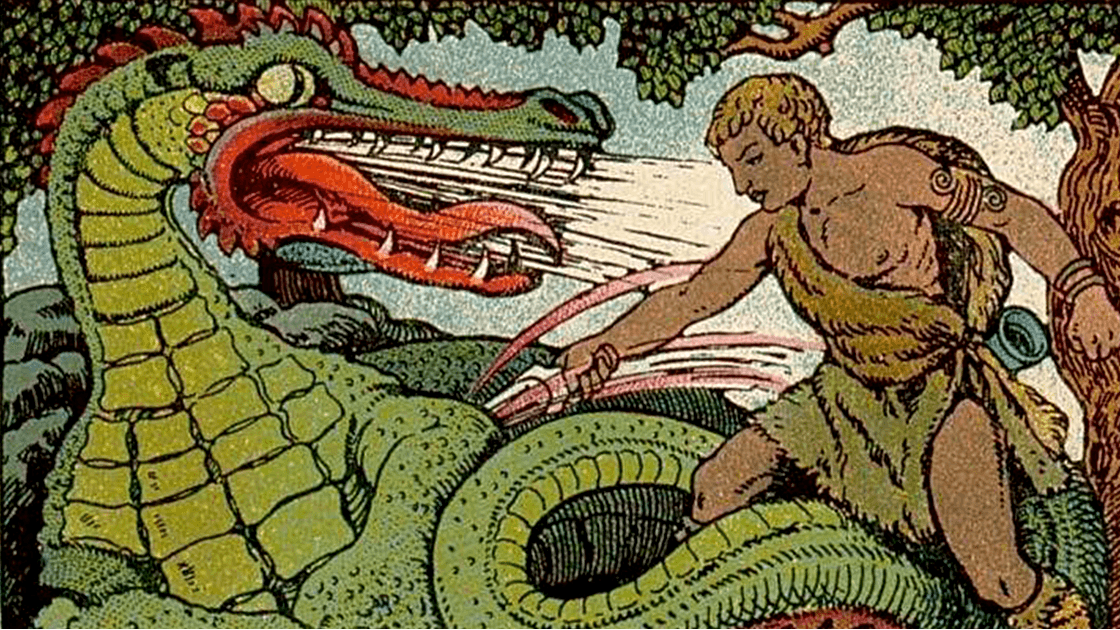
🐉Beginner-friendly! Fight Monsters, Aid Settlers, Explore!🐉
Learn D&D 5E | Begin your story | Help a frontier town | Explore wilds | Discover secrets & treasure | Battle Goblins, Bandits & Undead
$15.00
/ Session
Details
Weekly / Friday - 7:00 PM UTC
Session Duration / 2.5–3 hours
Campaign Length / 15–22 Sessions
0 / 5 Seats Filled
Report Adventure

StartPlaying Money Back Guarantee
If your game doesn't happen, we guarantee a refund. Just reach out to StartPlaying Support. Refund Policy
About the adventure
😊TL;DR😊 🎲 What to Expect 🐣 Beginner-friendly: Learn D&D step by step; no rules knowledge needed. ⚔️ Learn combat: How turns work, rolls, damage, and staying alive. 🎭 Learn roleplay: Talk as yourself or your character, make choices that matter. 🗺️ Explore & dungeon crawl: Travel the wilds and delve classic dungeons together. 📚 No prep needed: I provide sheets, rules, and everything required to play. 🌐 Tech: Stable internet, a microphone, and a quiet place to talk. 🗺️ About the Adventure ⛏️ A dwarf explorer hires you to help uncover a hidden discovery in the mountains. 🐎 First job: Deliver mining supplies to a small frontier town… what could go wrong? 🕵️ Help townsfolk, follow clues, and learn who else is after the same secret. ⚔️ Face goblins, undead, and dangerous spellcasters. 🏰 Explore old-school dungeons with tunnels, traps, hidden doors, and secret treasure. ------------ If you're still here....: A dwarf explorer has found a secret in the mountains and hires you to help uncover it. Your first job sounds simple: deliver mining supplies to a small frontier town. There you help townsfolk, follow clues, and face goblins, undead, and dangerous mages while exploring classic dungeons full of traps and hidden secrets. This is a beginner friendly Dungeons and Dragons campaign called Lost Mine of Phandelver. We play the story over several sessions. You say what your character does, I describe what happens, and when the outcome is uncertain you roll a twenty sided die. You do not need any rules knowledge. I explain what you can do and how the dice work as situations come up. We focus on story and characters first and rules second. Think of it like a film you help shape. I set the scenes and play side characters. You decide what your heroes try and what they care about. You can talk as yourself or as your character. You do not need books or a prepared character. I provide everything you need. All you need is a stable internet connection, a microphone, and a quiet place to talk. A camera is welcome but not required.
Game style
Rules as Written (RaW)
Theater of the Mind
Dungeon Crawl
Hexcrawl / Exploration
Game themes
Meet the Game Master
5.0
(23)
1 year on StartPlaying
15 games hosted
Highly rated for: Sets the Mood, Teacher, Creativity
Average response time: Under 1 hour
Response rate: 100%
About me
Hi there and well met! I’m Sam, a GM and documentary filmmaker from Germany. I’ve been playing TTRPGs most of my life and running games regularly since 2020. I love running fantasy, science fiction, and horror games. I draw a lot of inspiration from my work in documentary film: I think in scenes, images, and character moments, and I build stories around the people at the table rather than just the plot. At my table, you’ll often face hard choices and moral questions, but always within the safety of the game. I enjoy teaching new players, explaining rules clearly, and giving everyone space to push their characters and leave a lasting mark on the world we create together. I’m looking forward to having you at my table!
View Profile →Character creation
Creating your character
For this campaign, we will create your characters together during our first session. This first session will be a so called Session Zero. It is very important because we will talk about your expectations, create your characters, and explain safety tools and the Virtual Table Top we will be using. But more on that later. You do not need to build anything in advance or know any rules. All you need to do is think about two Classes you would like to play, and we will make your character sheet together. In Dungeons & Dragons, every character has a Class. A Class is like a job or calling that tells you what your character is good at and how they solve problems. Classes: ⚔️ Fighter – strong with meele and ranged weapons 🗡️ Rogue – sneaky and clever, good at hiding and picking locks 🎵 Bard – performer whose art works like magic, inspires others 📚 Wizard – studied magic to use it ✨ Sorcerer – born with magic 🔮 Warlock – made a deal for magic, for example with a demon 🪓 Barbarian – tough brawler 🥋 Monk – fast martial artist 🏹 Ranger – outdoor hunter and tracker ⛪ Cleric – healer with holy magic 🛡️ Paladin – holy warrior who fights with weapons and divine magic 🌿 Druid – nature spellcaster who can heal, control elements, and sometimes turn into animals Best for absolute beginners ⚔️ Fighter – very straightforward 🪓 Barbarian – tough and simple 🗡️ Rogue – easy to understand and fun to play ⛪ Cleric – helpful and simple if we use a few basic options 🛡️ Paladin – clear, heroic role on the front line ✨ Sorcerer – simple arcane caster with a small set of favourite spells Don't worry, you are not limited to those classes! If you cannot decide or feel unsure, I will have premade characters ready for you. I will send these to you before the game, so you can look them over and simply pick one if you prefer to start that way. Lineage / Species Your character also has a Lineage/Species (sometimes called Race in older books). This is what kind of being your character is, for example Human or Elf. You can choose from the following Lineages/Species: Aasimar, Dragonborn, Dwarf, Elf, Gnome, Goliath, Halfling, Human, Orc, and Tiefling. Each Lineage/Species comes with its own small bonuses and special features that make your character feel unique. After joining, I will provide you with everything you need to know about the different Species and Classes, so you can read through the options at your own pace and choose the one that feels right for your character. I can also suggest Lineages/Species that fit well with the Class you choose.
What to expect
Preparing for the session
Before we meet, take a moment to imagine what kind of character you would like to be. Maybe a Rogue who is curious but cautious, a Fighter who worries a lot but never backs down, or a Cleric who is kind but easily annoyed. What elements of your past inspire you to go on adventures now? How do you think the character reacts to danger, to strangers and to strange magic? How do they treat the other heroes at their side and how can they support each other as a team? You do not need detailed notes, just a rough feeling for who you want to step into for this campaign. Think about which two Classes you would enjoy playing most, eventhough you might not know how they work yet. What You Will Need • Free accounts on The Forge, Discord, and D&D Beyond • A current browser (Chrome or Edge recommended) • Get the Beyond20 Plug-In for your Browser • A laptop or desktop computer with a stable internet connection • A microphone and headphones for clear audio • A webcam (optional)
What Sam brings to the table
We will use a private voice channel on my Discord server for our sessions. You will also get your own text channels where you can chat with each other between games. I will set up extra channels where I post session recaps, important information you have uncovered, and people (NPCs/Non-Player-Characters) you have met. This whole space is just for our group, and other players on the server cannot see or join it. We play on Foundry VTT, an online tabletop platform hosted on The Forge. It shows maps, tokens, and art and keeps everything in one place. In Session Zero, I will give you a short Foundry tutorial so you can learn how to move your token, roll dice, and use the basic tools. Most scenes use Theater of the Mind. That means you picture what happens as I describe it, like listening to a story. You say what your character does, and I tell you how the world reacts. We use this for conversations, travel, and general exploration. For combat and some dungeon crawls (for example a cave, mine, or castle), we switch to tactical maps. These show the area from above and where everyone is standing. A dungeon crawl is an adventure where you explore a dangerous place room by room, looking for treasure, clues, or monsters. I also prepare handouts – digital notes or images such as letters, drawings, clues, or bits of lore your character finds. All of this helps you picture the world clearly and follow what is happening, even if you have never played before.
Homebrew rules
Homebrew rules are rules that deviate from the official written rules. I am not using any for this campaign.
Equipment needed to play
Internet
Computer
Microphone
Platforms used
Safety
How Sam creates a safe table
This module is meant to be comfortable and enjoyable for everyone. It is high fantasy and may touch on intense material, but our goal is shared fun and a story we remember fondly. Content is flexible and negotiable. Please review the content warning tags on the listing and bring any concerns to Session Zero. You can always message me privately. If concerns arise, we will use our safety tools which include Session 0, Lines and Veils, Open Door, and Breaks and Stars & Wishes. Session Zero Session Zero is our first meeting before play. We align expectations, set the tone, and confirm safety tools so everyone feels welcome. What we do • Talk about what you want from the campaign and what I will provide • Set the tone, for example light and adventurous or darker and more serious • Pick or confirm your character class and lineage • Go over simple house rules and table etiquette • Check tech, including Discord, Foundry VTT, audio, and browser By the end of Session Zero we know the style of the game, what is welcome, what is off limits, and how we will look out for each other. Lines and Veils We define boundaries together. Lines are hard limits. Content behind a line will not appear, be referenced, or be hinted at. Veils are soft limits. If veiled content comes up, we acknowledge it briefly without description or fade to black. Open Door Anyone may step away at any time for any reason. No explanation is required. Your well being comes first. Breaks We schedule short breaks and can take extra breaks on request. Use them for anything you need, from a bio break to a quick check in, so everyone can process and stay focused. Stars and Wishes At the end of a session we take a few minutes to reflect. Stars are things that you enjoyed, moments that stood out, or things another player did that you appreciated. Wishes are things you would like to see more of next time, such as a type of scene, challenge, or character moment. This helps me adjust the game to your interests and keep the table experience positive and collaborative.
Content warnings
Safety tools used